Cocoa Font: A Playful Display Typeface for Makers and Web Designers
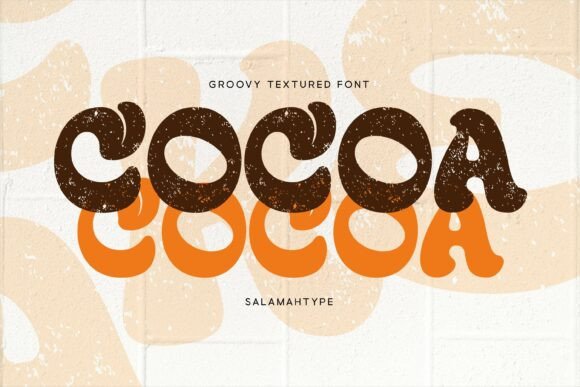
I remember perfectly the moment I first opened Cocoa in my design software. I was in the middle of building a brand identity for a small dessert shop — they needed a logo, social media templates, digital menus, and printable product tags for their packaging. I had already tried three different display fonts that morning, but nothing captured the warm, playful energy the client wanted. Then I loaded Cocoa, typed out their bakery name, and something just clicked. The rounded shapes, the groovy curves, the subtle bounce in each letterform — it instantly felt like the font version of a frosting swirl on a fresh cupcake. As a web designer who also creates digital assets for handmade sellers and boutique food brands, I test a lot of typefaces. Cocoa stood out immediately as one of those rare display fonts that brings genuine personality to a project without feeling forced or gimmicky. Over the next few days, I tested Cocoa across a range of real materials — web mockups, printable menus, product label prototypes, social media graphics, and even a simple one-page website for a local café. This review shares everything I learned about how this fun, groovy font performs in actual design work.
Testing Cocoa on Real Product Mockups and Web Graphics
I started my testing by building a set of product label mockups for a fictional small-batch hot cocoa brand — fitting, given the font’s name. Using Cocoa for the product name and a clean sans serif for the ingredient list, I created label designs for glass jars, craft paper tags, and fabric gift bags. The results were immediately charming. Cocoa’s cute shapes and playful letterforms made the product names feel approachable and artisanal, exactly the kind of vibe that works for food and drink branding. On the digital side, I incorporated Cocoa into a simple hero section for a restaurant landing page mockup. The font handled display-sized headings beautifully, with its alternates adding subtle visual interest without overwhelming the layout. For makers and printable creators, this is the kind of display font that elevates product photography and listing images — it draws the eye without distracting from the product itself.
How Cocoa Adds Personality to Food, Drink, and Restaurant Branding
The product description for Cocoa specifically mentions its suitability for branding food, drinks, and restaurants, and my testing confirmed this completely. I created a mock café menu board, a coffee bag label, a juice bar Instagram post template, and a small bakery gift card design. In every case, Cocoa brought a fresh, playful vibe that felt both contemporary and nostalgic — think 1970s diner meets modern craft kitchen. The font’s groovy shapes and rounded terminals make it ideal for dessert shops, tea rooms, ice cream parlors, and any brand that wants to communicate warmth and fun. For web designers building brand identities in the food and beverage space, Cocoa offers a way to inject genuine character into logos, menu headers, and promotional banners. It is not a font that fades into the background — it demands attention in the best possible way, making it a strong choice for hero text, call-to-action phrases, and product name displays.
Using Cocoa for Digital Printables, Social Media, and Shop Listings
As someone who frequently creates digital templates for Etsy sellers and crafters, I was eager to see how Cocoa would perform in printable wall art, planner stickers, invitation designs, and social media quote cards. I designed a set of three printable affirmation posters, a birthday party invitation, and a series of Instagram story templates for a handmade candle shop. Cocoa excelled in short, punchy phrases — think single words, product names, taglines, and decorative titles. The font’s multilingual support also meant I could confidently use it for bilingual projects without worrying about missing characters or awkward spacing. For handcrafted product listings on platforms like Etsy or Shopify, Cocoa brings a cohesive, polished look to mockup images and preview graphics. It creates a consistent visual identity across digital and physical touchpoints, which is exactly what growing handmade brands need. However, I would caution against using Cocoa for long paragraphs or dense informational text — its decorative nature makes it less readable at small sizes or in extended blocks of copy. Save it for the moments that need personality.
Readability and Production Advice for Web and Print Projects
After testing Cocoa across multiple formats, I compiled some practical notes for fellow designers and makers. For web use, Cocoa works beautifully in headings, banner text, and logo treatments at sizes of 24 pixels and above. Below that threshold, especially on mobile screens, some of the finer details in the letterforms can become less distinct, so pairing it with a clean sans serif for body text is wise. For print projects — labels, tags, stickers, and cards — Cocoa holds up well in standard sizes, but I recommend avoiding very tiny cuts for cutting machines like Cricut or Silhouette. The font’s rounded shapes and alternates need enough surface area to read clearly. For physical products like mugs, shirts, and tote bags, Cocoa’s playful shapes transfer beautifully onto fabric and ceramic mockups, provided the design keeps the text large enough to maintain legibility. I also tested Cocoa on a proof for a small wooden sign, and it looked fantastic — the groovy curves added a handmade charm that felt right for farmhouse-style or gift shop signage.
Font Pairing Ideas with Cocoa for Cohesive Brand Identity
One of the questions I always ask when testing a new display font is: what does it pair well with? Cocoa, with its playful and groovy personality, benefits from clean, understated companions. I tested it with a simple sans serif — think along the lines of Montserrat or Lato — and the contrast was perfect. The sans serif handled body text, ingredient lists, and contact information while Cocoa took center stage for the brand name and key phrases. For a slightly more elegant look, pairing Cocoa with a thin serif font created a lovely tension between playful and refined, ideal for wedding stationery or boutique packaging. I also experimented with a handwritten font alongside Cocoa for a more organic, artisan feel, and the combination worked well for product labels and craft fair signage. For web designers building brand style guides, Cocoa can anchor the display typography while a neutral partner handles the functional text — a classic strategy that ensures both personality and usability.
What to Know About Cocoa’s Format, Alternates, and Licensing
Before using Cocoa on commercial projects, there are a few practical details worth checking. The font includes multilingual support, which made my bilingual café menu design smooth and professional. The included alternates and ligatures add genuine creative flexibility — I used the alternate versions of several letters to give the bakery logo a custom, non-repetitive feel. Make sure to explore the font’s full character set in your design software to take advantage of these stylistic options. For commercial use — whether selling physical products like mugs and T-shirts, digital downloads like printable wall art and invitation templates, or using the font in client web design projects — verify the specific licensing terms included with your purchase. Some fonts require extended licenses for merchandise or template resale, so checking this upfront ensures your shop or studio stays compliant. Cocoa is distributed as a standard font file format compatible with major design applications, making it easy to integrate into existing workflows for both print and digital projects.
After spending several days moving Cocoa through web mockups, label prototypes, printable templates, and social media graphics, I can confidently say this display font delivers exactly what it promises: a fun, groovy, and genuinely charming typeface that brings warmth and personality to food, drink, and restaurant branding. For web designers, handmade sellers, printable creators, and small shop owners looking for a font that feels both nostalgic and fresh, Cocoa is a wonderful addition to your creative toolkit. It works best when given space to shine — in headlines, product names, decorative titles, and any moment where you want the text itself to feel like part of the visual design. Just pair it with a clean companion for body text, keep it large enough to read, and let those cute shapes do what they do best: make people smile.